
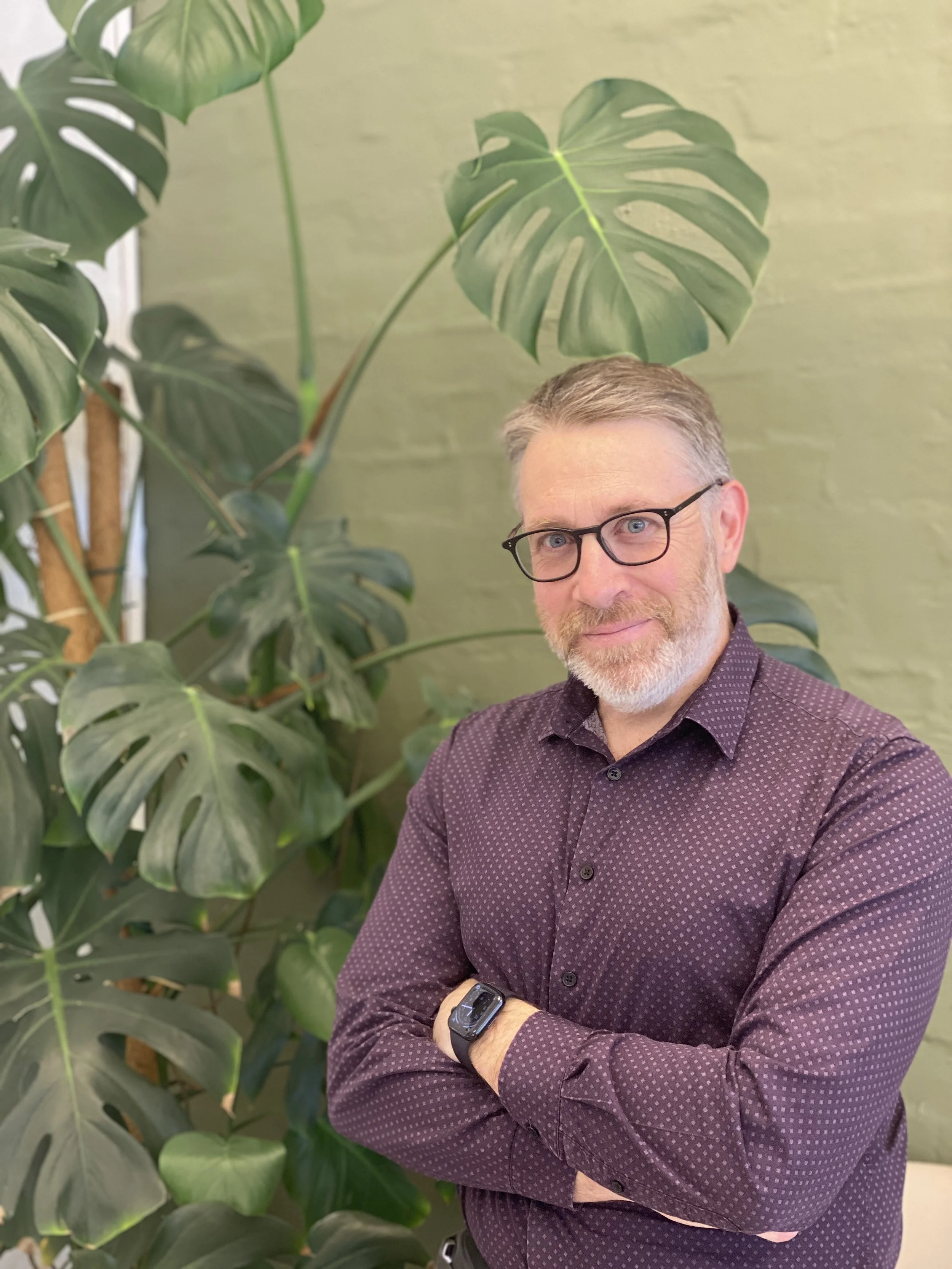

Hi, I’m Pete
General Psychologist
I believe everyone is doing the best they can with what they’ve had so far, AND they can make meaningful changes with new experiences, insights, and practice. I believe understanding is the foundation of compassion (for ourselves and others) and I have a passion for facilitating meaningful change in our relationships inside and out.
I have close to two decades of experience working across both private practice and inpatient psychiatric settings. I offer a warm, grounded, and non‑judgmental approach, and I work with individuals and couples experiencing concerns such as depression, anxiety, trauma (including attachment trauma), relationship difficulties, and complex emotional challenges. My work is both trauma and neurodiverse informed.
Therapeutic Modalities
My therapeutic approach is informed by the evidence-based modalities I use, including: Acceptance and Commitment Therapy (ACT) - Which emphasises the importance of psychological flexibility in the service of doing what matters and what works in the present moment. Great for people dealing with challenging situations (including the difficult thoughts and feelings that come up in the process) and wanting to enhance their ability to respond well to those challenges and find a meaningful direction in life.
Dialectical Behaviour Therapy (DBT) - Which rests upon an understanding of complex cause and effect processes in all our histories, and how our reality is ever changing and evolving through interactions and mutual influence. An enormously helpful approach and suite of skills for those struggling with a history of invalidating responses from others, heightened sensitivities, emotional overwhelm, and relationship difficulties.
Schema Therapy (and schema modes) - Which is an extension of the CBT (Cognitive Behavioural Therapy) insights that existing beliefs shape our emotions and our responses. Schema therapy works on the blueprints and coping responses we formed from our early needs not being met - like a kind of psychological muscle memory – and helps us find new, more adaptive ways of responding. Really helpful for stuck points, complex attachment issues and traumas, and can be integrated with EMDR below.
EMDR (Eye Movement Desensitisation Reprocessing) - Rests on an understanding of how painful experiences are stored in the brain and not fully integrated. The problem of trauma is a problem of memory. The past feels like the present when it gets activated, and the techniques of Bi Lateral Stimulation in EMDR (following a rigorous protocol of assessment and preparation) accelerates processing of these experiences to fully encode memories so they are no longer disturbing when activated, which can lead to new insights, new possibilities, and new freedoms.
At the core of my work there is a strong commitment to compassion, curiosity, and growth. I aim to help people form a clearer understanding of their experiences and responses and feel genuinely understandable and understood, as they make progress towards the changes they want.
Available Hours
Mon & Tues
7:30am - 12pm
Wed
2:30pm - 7pm
Thurs
7:30am - 12pm